Featured
engine drivetrain
CFMOTO Belt Replacement (Select your Model)
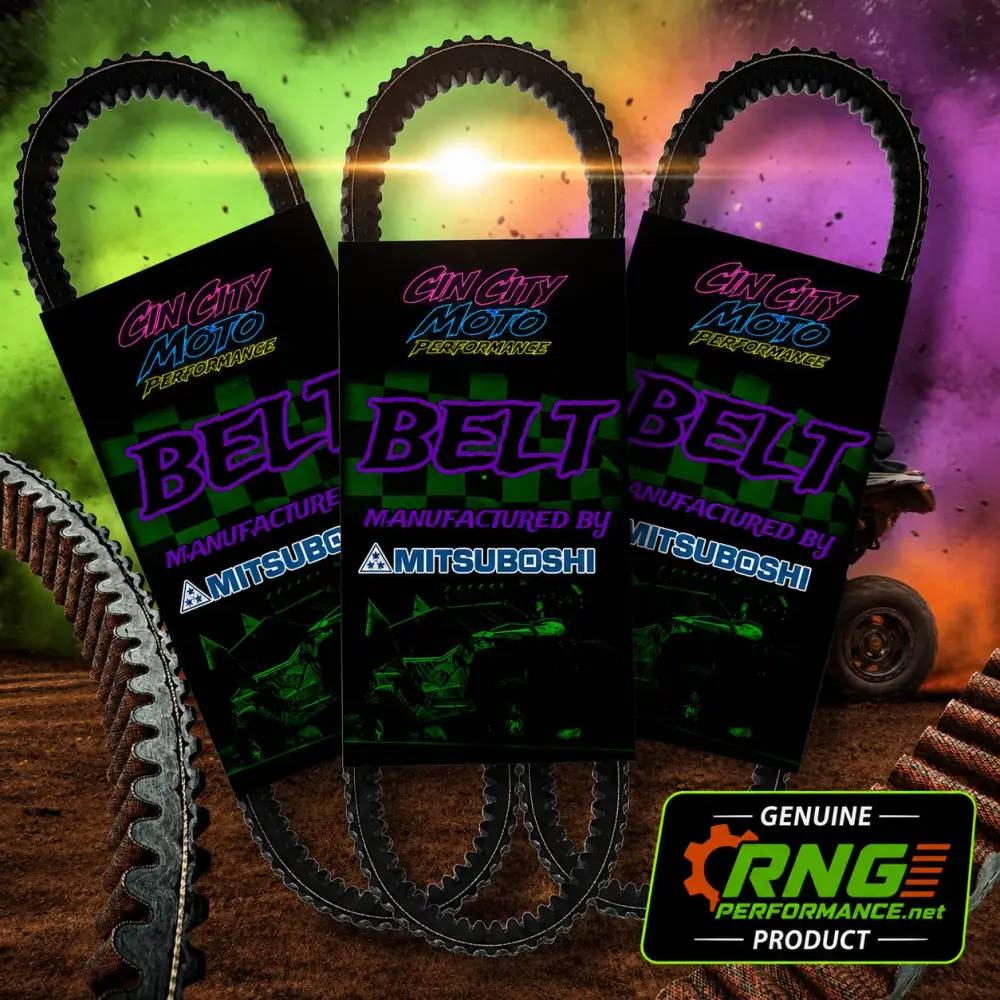
RNG Performance Belt Replacement for CFMOTO. Select by model. Made by Mitsuboshi. ALL SALES FINAL.
From $169.99$289.99
Select Options  Authorized RNG DealerAuthorized RNG Performance Dealer· 2-3 day shipping from Cincinnati· Don't see your part? Call 513-458-9614
Updated August 19, 2026
The CVT belt is the single hardest-working consumable on your CFMOTO. It transfers every bit of engine power to the wheels through friction, and it lives in a hot, sealed clutch housing. Catching a worn belt before it fails saves you from a trailside breakdown and from the collateral damage a shredded belt can do to your clutch sheaves and housing.
Watch for these signs. A burnt-rubber smell after a hard pull means the belt is slipping and glazing. A loss of top-end speed or a machine that feels like it is bogging on climbs points to a belt that is slipping instead of gripping. Visually, a worn belt shows glazed, shiny sidewalls, cracks in the cogs, frayed edges, or missing chunks. The most objective test is width, measure the belt across the top with calipers and compare to the CFMOTO minimum spec; a belt worn below spec has lost its ability to ride high in the clutch sheaves and should be replaced.
If you are already smelling belt, do not keep riding on it. A slipping belt builds heat fast, and a belt that lets go at speed can wrap the clutch and crack the CVT cover.
CFMOTO uses several different belts across the lineup, each with its own OEM part number. Getting the right one matters, a belt that is too long or the wrong cross-section will not clutch correctly and will wear out prematurely. The common groupings are the CForce 800XC/1000 and UForce 1000/1000XL and ZForce 950/1000 belt, the smaller CForce/ZForce/UForce 400-600 belt, the Gen 3 CForce 800-1000 belt, the U10 Pro/Highland belt, and the older 2013-2022 800-class belt. Always verify the number stamped on your original belt before ordering, and if you are unsure, call us at 330-806-0728 and we will confirm it.
You cannot change a CFMOTO belt with hand tools alone, the secondary (driven) clutch has to be spread open to release belt tension.
Park on level ground, set the brake, and let the machine cool, the clutch housing gets hot. Remove the CVT cover bolts and lift the cover off, noting any seal or gasket so you can reseat it. Take a photo of the belt orientation; many belts have a directional arrow that must point in the direction of rotation.
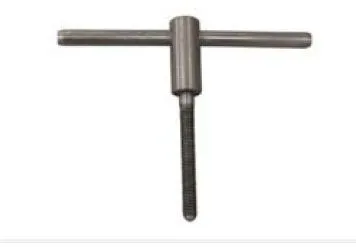
Thread the secondary spreader tool into the driven clutch and spread the two sheaves apart. This drops the belt down into the clutch and gives you the slack to slip it up and over the top of the secondary, then off the primary. If the belt is in one piece, work it out by hand; if it has shredded, clean every scrap of rubber out of the housing.
Wipe both clutch faces clean with a dry rag, no oil or grease belongs on the sheaves. Inspect the sheaves for scoring, bluing (a sign of prior overheating), or debris. Now install the new belt: route it over the primary and down into the spread-open secondary, confirm the directional arrow points correctly, then release the spreader tool so the secondary clamps the belt.
Double-check that the belt is seated and not pinched, reinstall the CVT cover with its seal, and torque the cover bolts evenly. Spin the clutch by hand if you can access it to confirm nothing binds.
A new belt has a glaze from manufacturing that must be worn off gently, or it will slip and glaze permanently. Do a 20-mile break-in: easy, moderate-throttle riding with no hard launches, no wide-open runs, and no heavy loads or deep mud. Vary your speed so the belt rides through its full range in the clutch. After break-in, the belt will grip fully and deliver its rated life.
The biggest killer of belt life is a worn or mistuned clutch. If you are on your second or third belt in short order, the real fix is a properly calibrated clutch kit, not just another belt. A correctly clutched machine keeps the belt gripping instead of slipping, which is what generates the heat that destroys belts. If you run oversized tires, that is doubly true, the clutch has to be recalibrated for the added load or it will eat belts.
engine drivetrain
RNG Performance Belt Replacement for CFMOTO. Select by model. Made by Mitsuboshi. ALL SALES FINAL.
clutch tools
Spreader tool for ALL year-model CFMOTO with CVTech secondary clutch.
clutch tools
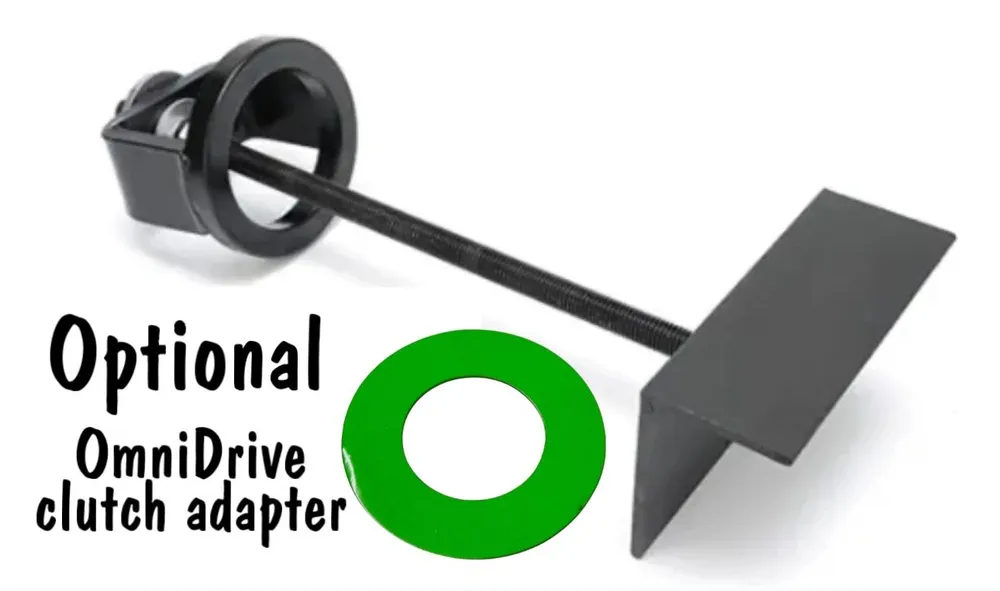
Secondary spring compressor for CFMOTO CVTech clutch. OmniDrive adapter available. You'll also need our Spreader Bolt.