filters
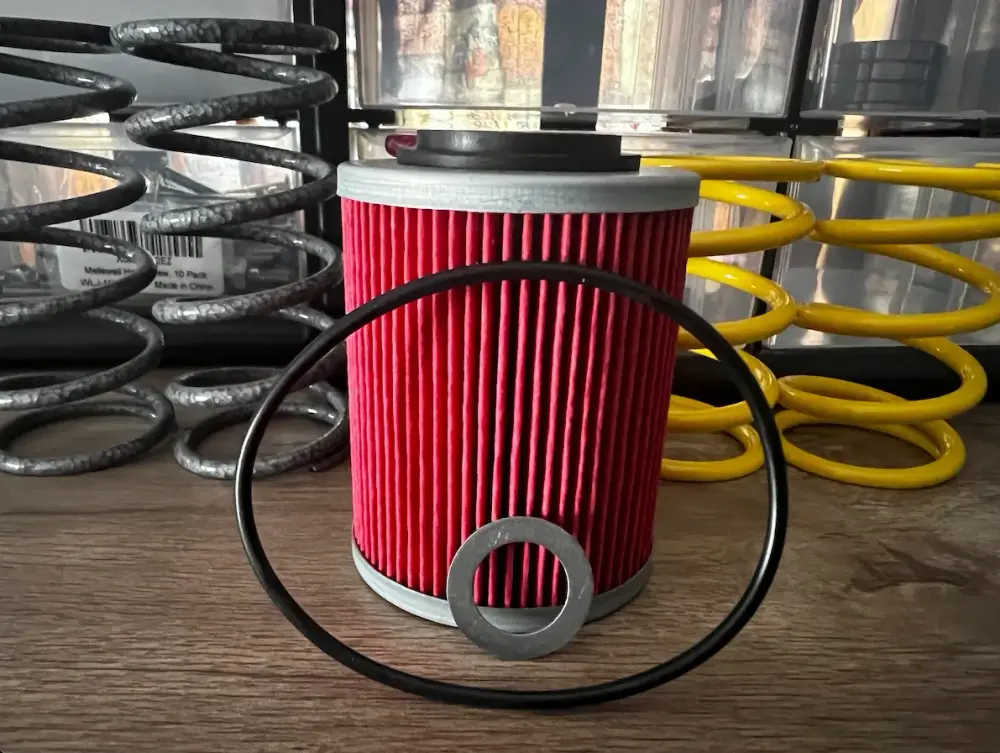
OIL Filter WITH O-Ring Kit (ZForce/CForce/UForce, OEM 0800-011300-0004)
OIL Filter with O-Ring Kit, fits ALL CFMOTO ZForce, CForce, UForce (2013-2025).
$19.99
 Authorized RNG DealerAuthorized RNG Performance Dealer· 2-3 day shipping from Cincinnati· Don't see your part? Call 513-458-9614
Updated August 19, 2026
A new engine has machining marks on every moving surface. Break-in is the controlled process of wearing those high spots down so the rings seat against the bore and the bearings settle. Do it properly and the engine seals well, burns less oil, and lasts. Get it wrong by holding wide-open throttle in the first few hours and you can glaze the bore, at which point the rings never seat and the engine burns oil for the rest of its life. That damage is not repairable by driving it more gently later.
The same window applies to the CVT. A new belt has a moulded surface that needs to wear in against the sheaves before it grips at full strength, and hard launches on a green belt glaze it in the first hour.
CFMOTO splits break-in into two throttle-limited stages across the current range.
Whichever measure arrives first is the one that ends the stage. Alongside the throttle limits:
New pads and new discs do not stop at full strength. The friction material has to transfer a thin, even layer onto the disc surface before the brakes reach their rated performance, and until that happens your stopping distance is longer than it will be. Leave more room than usual, avoid situations that could require an emergency stop, and do not tailgate. This is the part of break-in that has an immediate safety consequence rather than a long-term mechanical one.
This is the single most important service the machine will ever get, because it removes the metal that break-in generated before it circulates any further. Due at 20 hours or 200 miles, whichever lands first.
Do not skip the oil change because the oil "still looks clean". Break-in debris is fine metal suspended in the oil; it does not change the colour much and it does not settle where you can see it.
Once the 20-hour service is done, the machine moves onto the normal schedule — 100 hours, 1,000 miles, or 12 months for engine oil and gearcases, halved for severe use. The full table is in our CFMOTO maintenance schedule by model guide.
This is also the right moment to think about clutching if you are going to. Breaking in the stock setup first gives you an honest baseline to judge an upgrade against, and it means a new belt is not being asked to seat and handle a new calibration at the same time.
filters
OIL Filter with O-Ring Kit, fits ALL CFMOTO ZForce, CForce, UForce (2013-2025).
engine drivetrain
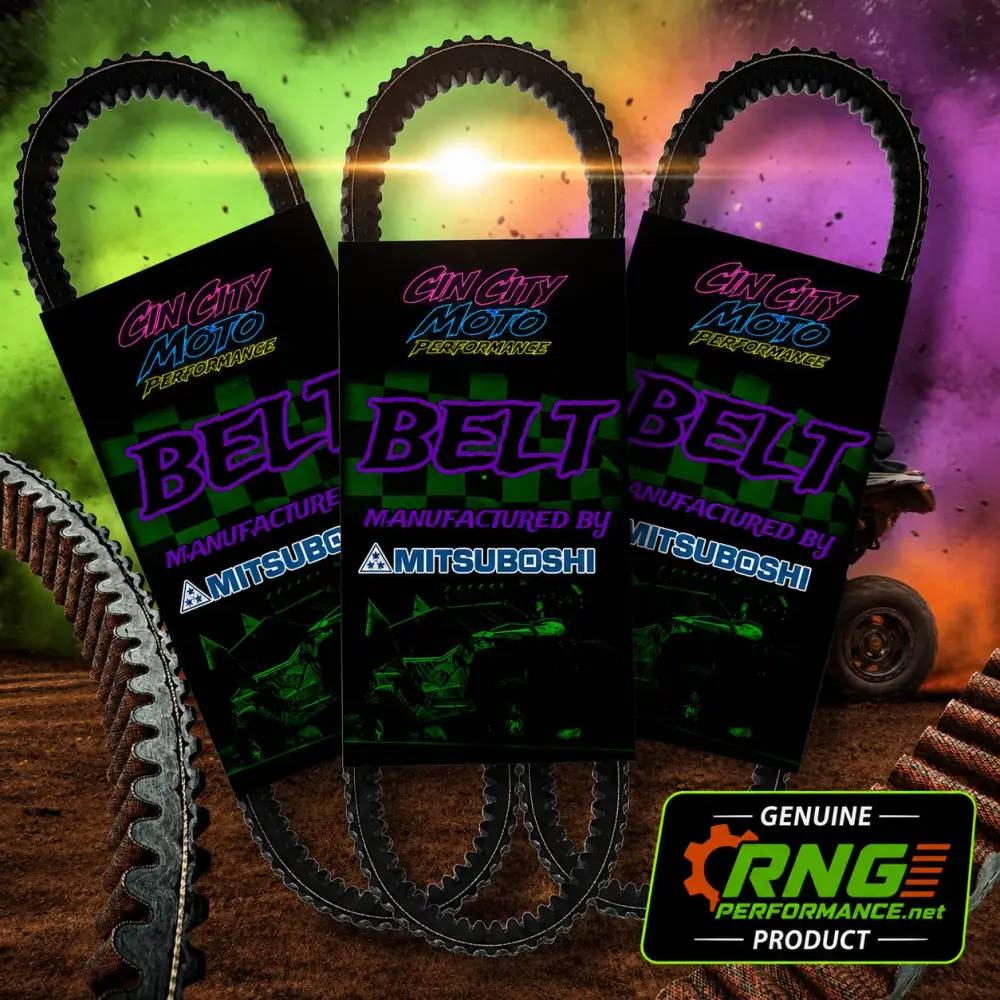
RNG Performance Belt Replacement for CFMOTO. Select by model. Made by Mitsuboshi. ALL SALES FINAL.
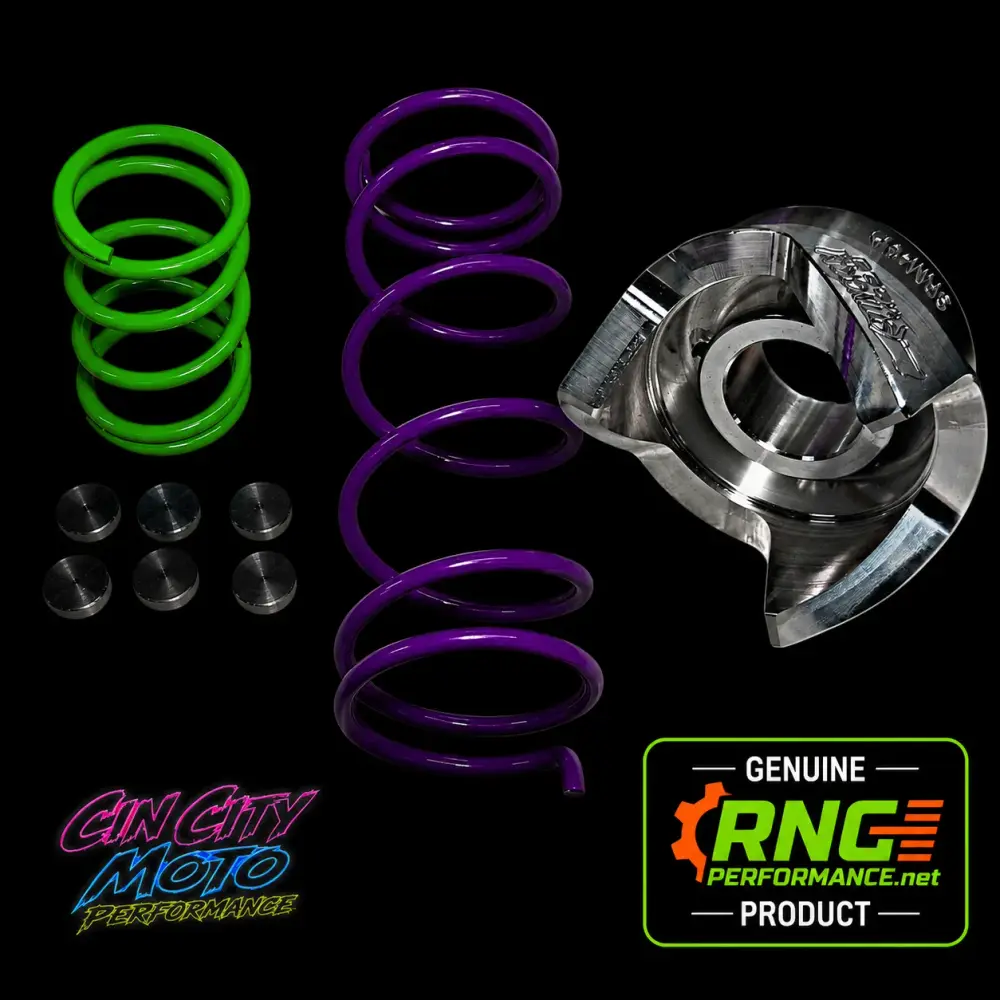
clutch kits parts
Complete custom-built CFMOTO clutch kit. Tell us your machine, mods, and riding style, we build it for you. Package deals with tools and belts available.