Featured
filters
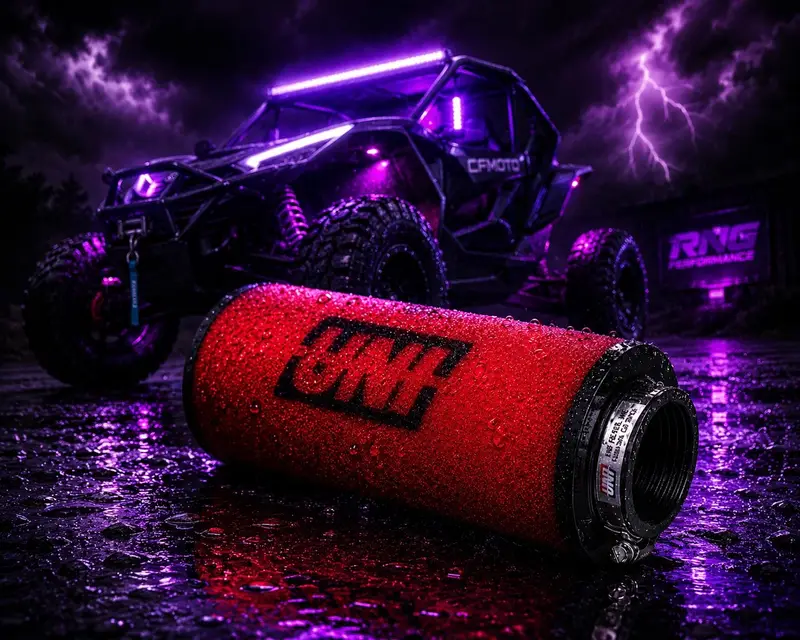
CFMOTO Air Filters by UNI (5-yr warranty)
UNI two-stage reusable air filters for CFMOTO. 24% more airflow than paper, 5-year warranty. Select by OEM part number.
From $39.99
Select Options  Authorized RNG DealerAuthorized RNG Performance Dealer· 2-3 day shipping from Cincinnati· Don't see your part? Call 513-458-9614
Published July 31, 2026
The one everybody knows about is the engine air filter, which feeds the throttle body. The one that gets missed is the CVT air intake screen, a separate filter that feeds cooling air into the sealed clutch housing. They are in different places, they serve different systems, and both are on a 500 mile interval.
The CVT intake matters more than its size suggests. The clutch housing is sealed to keep water and grit out, which means the only cooling the belt and sheaves get is the airflow through that intake. Block it and the housing temperature climbs, the belt glazes, and eventually it slips, smells, and lets go. A large share of the burnt belts we see are not a clutch calibration problem at all. They are a blocked intake screen that nobody knew existed.
CFMOTO fits a paper element on most of the range. On the UForce 600 and CForce 600 it is a paper element with a foam pre-filter, so there are two pieces to inspect rather than one.
The manual is explicit that the paper element is to be replaced when dirty, not cleaned. This is worth taking seriously. Blowing compressed air backwards through a paper element opens up the media and lets dust straight through into the engine, and tapping it out only shifts the surface layer. A paper filter is a consumable. If it looks dirty, it is finished.
Inspect before every ride if you ride in dust, and at minimum every 500 miles. If you want something serviceable rather than disposable, a washable performance filter is the alternative, and it pays for itself if you ride dusty ground often.
The intake sits high on the machine, usually behind a body panel or under the seat, so that it draws the cleanest, driest air available. Servicing it is a five-minute job with hand tools.
The progression is consistent. Airflow drops, so the housing runs hotter. Heat glazes the belt sidewalls, which lowers their grip. The glazed belt slips more, which makes more heat. Now you have a feedback loop, and within a few hard pulls you get the burnt-rubber smell, then a loss of top speed, then a failure. If the belt lets go at speed it can wrap the sheaves and crack the CVT cover, which turns a belt bill into a much larger one.
If you are already smelling belt, stop riding on it. Clean the intake, inspect the belt, and if the sidewalls are shiny and the width is down, replace it. Our CVT belt replacement guide covers that job, and clutch slipping and belt burn symptoms covers diagnosis if you are not sure what you are looking at.
If you regularly run water deeper than the floorboards, treat both filters as severe-use items and check them after every ride rather than every 500 miles. Water in the CVT housing is unambiguously bad: it does not compress, it does not lubricate, and a belt trying to grip wet sheaves will slip and cook. After a deep crossing, it is worth pulling the CVT drain plug if your model has one and letting anything that got in run out before you put the machine away.
filters
UNI two-stage reusable air filters for CFMOTO. 24% more airflow than paper, 5-year warranty. Select by OEM part number.
filters
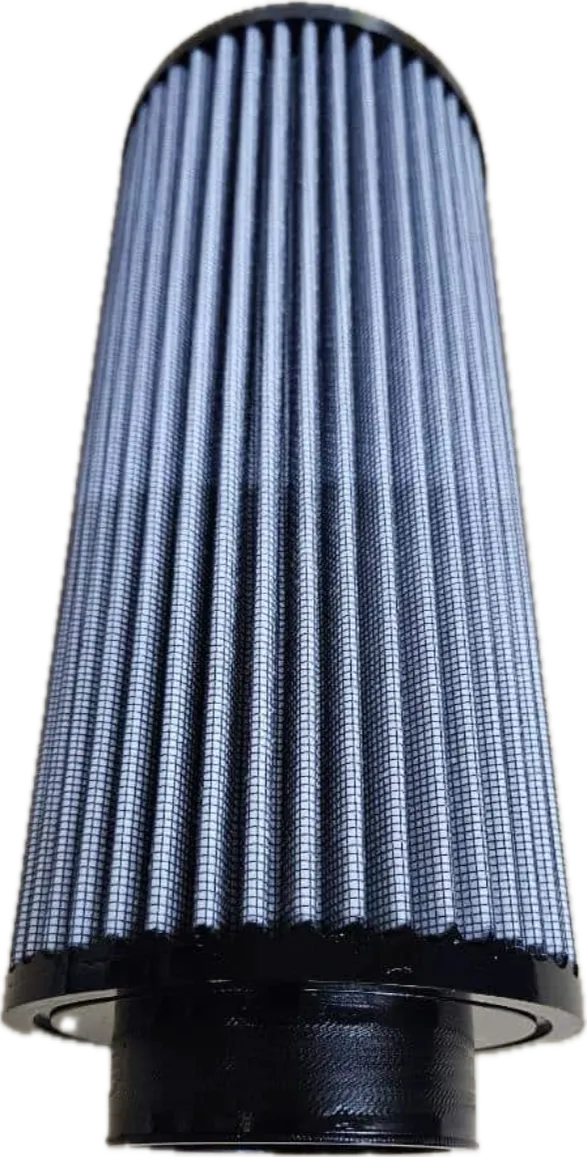
High-performance Stage 3 air filter by GSE. Industrial-grade filtration, more HP, better dust protection than competitors. Select by OEM part number.
engine drivetrain
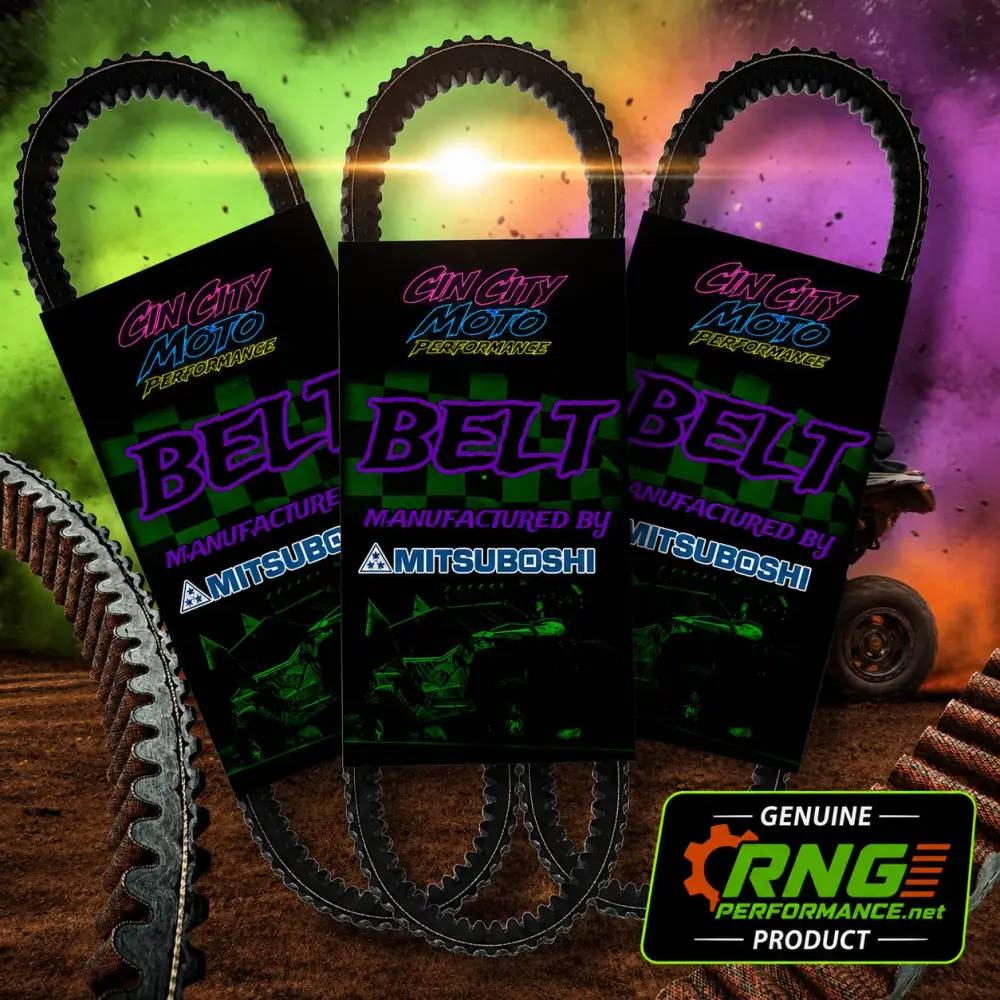
RNG Performance Belt Replacement for CFMOTO. Select by model. Made by Mitsuboshi. ALL SALES FINAL.